The financial world is more complex than you might ever imagine. Sometimes, you can do something that feels right for you, but, to put it mildly, in finance, things don’t always go the way you expect. However, for people who are not very familiar with the financial world, there are many useful blogs that can become their digital financial friends to help them make good financial decisions.
Here, on our blog, we aim to make financial topics more accessible to everyone. Today, we’ll be discussing an important topic that often generates interest: “Credit Cards for Investments”. So, continue the reading process if you are eager to know more about the right ways to approach this financial decision and to know more about credit cards and their pros and cons in investing.
What Is a Credit Card?
In order to better understand the topic of credit cards for investments, let’s first get acquainted with credit cards: what a credit card is, when they are useful and when they’re not, and more.
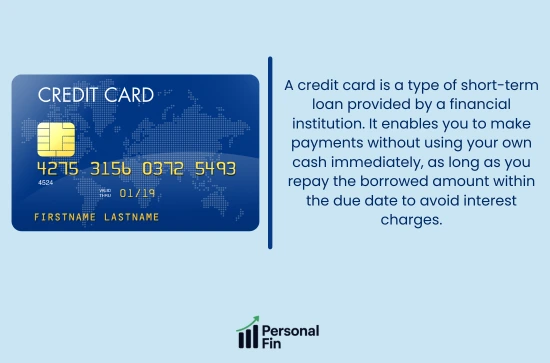
In simple words, a credit card is a financial tool that enables you to use borrowed money for your financial transactions. In other words, a credit card enables you to shop now and pay the bill later. Every credit card has a set spending limit, that determines the credit card provider based on your credit score and financial profile.
Credit Card Usage Terms
See below what are the most used credit card terms and take a step forward to financial world:
Credit Limit: Every credit card has a maximum amount which decides the bank that provides you with a credit card. There are many details that affect your credit limit. You must always pay attention to your credit history and have a high income in order to have a high score of credit.
Interest Rates: Each loan has its interest rate and a credit card is not an exception. The interest is the extra money that you pay in case you don’t pay your full bill on time. In other terms, it’s like paying rent for borrowing money.
Fees and Charges: When selecting a credit card, extra fees, and charges should be taken into account, such as yearly fees, cash withdrawal fees, and late payment fees.
Billing Cycle: A billing cycle is the period of time between the closing date of one statement and the next. It records all transactions that you made within that span. This is a useful indicator for banks and customers to manage all their payments efficiently.
Payment Due Date: This is the last day that you can pay your credit card bill or loan in case you want to avoid additional fees or financial penalties.
Minimum Payment: Minimum payment is the smallest amount that you must pay on your credit bill each month if you want to avoid late fees, extra interest, or even spoil your credit score.
What Does It Mean to Use Credit Cards for Investments?
As you already know, using credit cards for investments is when you borrow money from your credit card instead of using your own savings. As for example let’s discuss the following: a person might use their credit card to purchase stocks, cryptocurrency, or other financial assets and hope that their investment will grow and bring profit. In simple words, people just use borrowed money and try to make out of it more money.
However, it is very important to bear n mind that credit cards are not created for investing. They are mostly short-term borrowing tools for everyday little purchases. When you invest with a credit card, you’re taking on debt, and if your investment doesn’t perform well, you still have to pay the bank back, which is often with high interest.
To sum up this part, if you use a credit card to invest:
- you’re borrowing expensive money (from the card issuer).
- your investment might not grow fast enough to cover the credit card interest.
- You could suffer a financial loss and still remain liable to the bank.
Why People Think About Using Credit Cards to Invest
Nowadays, not everyone is financially smart and many people try to find easy and quick ways to get money to invest, and one common way is through credit cards. Accordingly, this approach to credit cards can lead to many financial problems. When people don’t have enough savings, a credit card can look like a shortcut to start investing right away. Let’s see what I mean.
By saying that a credit card can look like a quick way to start investing, I mean that some people think they can “outsmart” the system by using their credit card to invest.
Here’s how they imagine it works.
- They use their credit card to buy an investment.
- Sometimes, they hope the investment will quickly increase in value.
- If the investment grows before the credit card payment is due, they plan to sell it for a profit.
- Lastly, they would then use that profit to pay off the credit card bill before the bank charges interest, and they will normally keep the leftover money as “free profit.”
Sometimes, credit cards come with rewards or cashback offers, which can make the idea seem even more attractive. For example, someone might hope to earn rewards points on an investment purchase. However, while the idea of using borrowed money to build wealth sounds tempting, it also comes with serious risks, especially, when interest rates are high or investments don’t perform as expected.
The Biggest Danger: Credit Card Interest Rates
Let me now explain one of the biggest risks of using credit cards for investments, which are the deceptive credit card interest rates, especially for people who don’t fully understand how they work. Now an interesting and natural question arises “why deceptive?”. The interest rates are considered deceptive because at first they might look small but later add up fast.
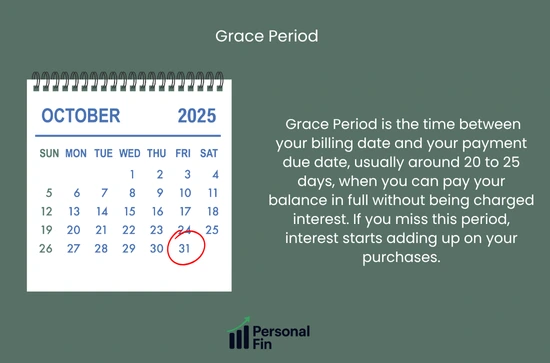
Another factor that makes credit cards for investments “dangerous” is the grace period that hides the real cost of your credit. Many people don’t realize that interest only stays at 0% if they pay the full balance by the due date. Once they miss the due date, the bank charges interest on everything they owe.
An additional factor that makes credit cards for investments “dangerous” is that the promotional rates can be misleading. Some cards advertise 0% APR for 6 months, which, at first, sounds great. But once that period ends, the rate can jump to 20–30%, and if you haven’t paid off the balance, you will start paying a lot more.
And the last component making credit cards for investing “dangerous” is that each interest is different for each type of transaction. People only realize this once they pay that additional charge.
Extra Costs You Might Not Expect
Besides the well-known danger of credit card interest rates, there are other hidden costs that can add up quickly. These hidden costs include annual fees for keeping your card active, late payment fees if you miss a due date, and cash advance fees if you withdraw money directly from your card. Some cards also charge fees for foreign transactions or over-limit penalties. Even if these fees seem small, together they can make your investment much more expensive and reduce any potential profits.
Tip to Avoid These Fees: In case you want to avoid these extra charges, you should always read your credit card’s terms carefully before using it. Additionally, pay your bills on time, avoid cash advances, and try not to spend beyond your credit limit.
How Using a Credit Card Can Hurt Your Credit Score
As you already understand, the credit score plays a really big role when applying for a new credit card or loan. An even more important thing here is keeping your credit score safe, which is even harder. Your credit score is a key financial indicator. It can influence your chances of getting approved for a credit card or securing financing such as a personal loan, car loan, or home mortgage. It also influences the interest rate you’ll be charged if you do qualify for borrowing.
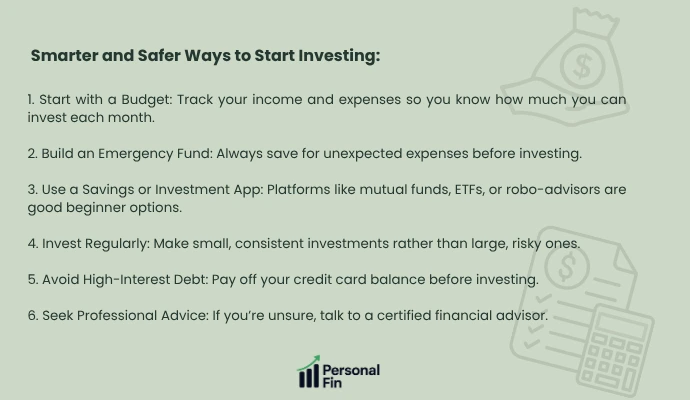
Smarter and Safer Ways to Start Investing
Majority of people that want to start investing misunderstand the psychology of investing because they often believe that investing has to involve risk or debt. Instead of using credit cards for investments, you can start small and build your portfolio safely over time. The key is to use your own money, plan your goals carefully, and choose reliable investment methods that match your budget and risk level.
We illustrated what are the smartest and safest ways to start investing:
Conclusion: Is Using a Credit Card for Investments a Good Idea?
Using credit cards for investment purposes may seem alluring. However, a rational analysis of the potential pitfalls of this strategy, such as exorbitant fees, unmanageable interest rates, and the risk of the debt becoming unserviceable, shows that the risk of a catastrophic outcome greatly outweighs the risk of a small loss.
It’s much wiser to invest your own money, even if the amount is small. Establish a solid financial base, responsibly manage your debt, and plan for the sustainable growth of your assets over a long period. You should always keep in mind that genuine and sustainable wealth is built over long periods of time. No shortcuts will be able to provide you with this.
If you want to learn more about investing, read our article on the top 5 investment strategies for long-term growth. And if you are interested in crypto, you will find our article on cryptocurrency investing a valuable resource.