Each of us has personal goals and takes steps towards them. But sometimes on our way to success, we often need to set aside some funds and even make some investments to secure a better future.
In this article, we’ll explore what saving and investing really mean, how they work and how to make better use of them on the way to reaching your goals.
What is Saving and Investing?
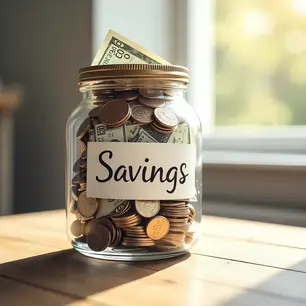
Saving money means setting aside a certain amount from your income instead of spending it all. It’s mainly done to keep money for future use-it can be for emergency, a big purchase or a long-term goals, for example buying a house or renting a long-term apartment for your comfort.
You can usually save money by putting the funds in saving accounts, piggy banks or other places, where it’s safe and separate from daily spending.
Investing money means using it to purchase something that can grow in value over time. Instead of just saving your money, you put it to work , with the goal of making more money in the future.
Common ways of investing include buying bonds, real estate, stocks or even starting a business that can then grow into something big or be inherited to kids.
All of these might go up and down with time in value, but the goal is long-term growth.
Now we know the main meaning of these terms, but what are the key points that make them different from? Let’s explore together.
Key Differences Between Saving and Investing.
While talking about the key differences among saving and investing, we should firstly take into consideration the purposes, risks and returns each of those actions can have. We have to learn what access of money each of them has, what is best for what and bring exact examples of what can be done to have the full experience of these terms.
Purposes
The purpose of saving is to keep money safe mainly for short-term needs, while the purpose of investing is growing money over time for long-term goals.
Risks
The risks of saving are very low or close to zero, while the ones of investing can be higher, as money may probably go up and down with time.
Return
The return of saving is usually low, because it earns small interest, but for investing it can be potentially higher, but not guaranteed.
Access to money
It’s easy to access money while saving, but what considers to investing – it’s harder to access to money quickly, because it may take some time to sell or withdraw.
What are they best for?
Saving is better for emergencies, short-term needs or small goals, while investing is best for big purchases, wealth building and secure retirement.
Examples of how to save and invest
A good way of saving is having a savings account and occasionally putting some money in there or just keep cash in hand as a saving method. Investing may include purchasing stocks, having mutual funds with trusted people or purchasing real estate and keeping it for the future.
All of these are just an introduction of what both of these terms mean, but what are the actual reasons and ways of saving and investing to have a better present and future? Let’s find out together.
All the people have their vision of near and far future and along with that they have their own reasons of making certain steps towards it all, most of them are justified, most of them aren’t, but we’re not here to judge, but to learn.
Why do people save money? Reasons can be different, a few of them we’ve mentioned above, but let’s explore more up next.

Why do people save money?
- For goals- like a new phone, education or a vacation
- For peace of mind-knowing that you have financial cushion
- For the future-such as retirement or child’s education
- For emergencies- like medical bills or car repairs
Why do people invest money?
- To reach big goals- like buying a new house or retiring comfortably
- To earn passive income-such as dividends or rent
- To beat inflation-so that the saved money doesn’t lose value
- To grow wealth- because money can grow over time
Having your own reasons to save and invest is an extremely important thing to do, but where to start it from? Let’s learn a few tips.
How to start saving?
The thought of saving money can come really quick, but the process may take months to be released, these are the key points of how to start saving money.
Set a goal (short or long-term).
Setting a goal is crucial, because it gives you unlimited motivation to save money and grow, working towards a specific goal.
Track you earning and expenses.
Knowing where your money goes can make a big difference in saving. When you plan how to spend specific amounts, you’ll know exactly how much is left to save.
Spend less than you earn.
If you spend your entire salary, you won’t be able to handle emergency situations. That’s why having a backup plan is important.
Automatically transfer a small amount to your savings each month.
If you set up automatic transfers to your savings account each month, you’ll find it easier to control your spending. This way you’ll know that a certain amount of funds has already been saved.
How to start investing?
Investing your funds for a better future secures a lot for you. Things like financial growth, support for your family, protection against inflation, etc. So, how to start investing productively?
Firstly, learn the basics of investing before you begin.
If you don’t know the “how to”’s, you can’t get the results you want, because it’s not easy to get involved in the world of investments when you know nothing about it.
Set your financial goals and risk level.
If you know how much you’re planning to receive back after investing and if you know how to protect yourself from the possible risks that can come on your way – the process of investing will be smoother.
If you’re planning to invest but cannot afford to put a lot of money there. Feel free to invest a small amount, because even tight funds can work for yourself in the future. It will most probably come back to you multiplied in the future.
Be patient
Patience is the key while investing, because it can take a long time to evolve and become what you’ve been wanting, investing is usually for the long term. So, if you don’t get the desired results at once, wait a bit and you’ll see that it was absolutelu worth it.
All of these points were presented to serve you as a guide for your financial literacy.
When should we save and when should we invest?
To be more educated in terms of financial goals- let’s see when to save and when to invest.
When to save?
It’s better for us to save when we have short-term goals like a vacation, educational expenses or a new phone, when we want to have an emergency fund (saving for 3-6 months of essential expenses in case you lose your job). Start saving if you want safety and quick access to your funds, if you might need money soon, you can take from your savings, there will be no risk of losing value. Actually, you can start saving if you want low risk and peace of mind, because you surely want your money to be safe and not to grow fast.

When to invest?
Investing is good if you’re planning for long-term goals, like buying a new house or building a business for wealth over time, if you’re expecting higher returns years later (if you’re okay with risks, because investments have the tendency to grow more than savings).
Investing is an option if you don’t need the money right away, this means that investing workd when you leave the money in for a long period of time, so that it can grow and recover from ups and downs.
But the main thing before starting to invest is being sure that you’ve already built an emergency fund for yourself, because you should invest after your basic savings and safety net are in place.
There’s a beautiful quote about it actually,and it sounds like this:
“Save for stability. Invest for growth.”
And many experts agree on it.
Tips and Tools to Save and Invest Money
When you’re just starting to improve your financial habits, it’s important to have know some useful tips and tools to save and invest smarter. Let’s take a look.
Saving Tips
- Set Smart Goals
Make sure your saving goals are specific, relevant and achievable.
- Automate your savings
Plan automatic transfers to your separate savings account, so that you don’t forget or spend the money.
- Use Cash Envelopes or a Digital Budget
Try to limit your spending in categories like groceries, eating out, deliveries, etc.
Saving Tools
Revolut – it will let you create savings “vaults”, track your spending and set goals.
Qapital – will automate your savings based on your habits, like saving every time you skip coffee
YNAB (You Need A Budget) – best for budgeting and assigning every penny a purpose
Goodbudget – it’s an envelope-based digital budgeting tool
Spendee – will help you have perfect control over all your expenses and wallets.
Investing Tips
- Understand What You’re Investing In
Firstly learn the basics of stocks and mutual funds before starting to invest.
- Start Small and Stay Consistent
Even $20 a month makes sense, in this case what matters is the habit, not the amount.
- Diversity
Invest your money across different types of assets to reduce risks. This will help you stay safe.
Investing Tools
eToro – will let you copy experienced investors
Trading 212 – commission-free investing with fractional shares
Acorns – will round up you purchases and invest the spare change
Betterment / Wealthfront – these are robo-advisors that build and manage portfolios for you
Fidelity / Vanguard / Charles Schwab – these are trusted platforms with many educational resources
Conclusion
Saving and investing are both essential for a better financial future. While saving builds your safety net, investing helps your funds grow. So, with the right tools and built habits you can make small steps today and lead to a better stability and freedom for upcoming days.
And as one of the most famous and respected investors Warre Buffett once said:
“Do not save what is left after saving, but spend what is left after saving”.
Stay focused on your growth, manage your finances smartly, save and invest as much as you can. It will only lead to a better future.